

How to Choose EVA Case Interiors: A Buyer’s Guide to Liners and Foam
A product team finishes the industrial design, locks the dimensions, and sends an RFQ for a carrying case. The quotation comes back with a unit price. Two weeks later the first samples arrive, and the device moves inside the case when the box is tilted.
The shell passed. The zipper passed. The interior failed.
Interior specification causes this kind of rework more often than any other part of a custom case. Buyers write the outer size and the logo into the drawing, then leave the inside to a sentence such as “foam insert as needed.” That sentence leaves a dozen decisions open.
1. Start With What the Interior Has to Do
Write the job description before you name a material. An interior can hold a device in place, absorb vibration, keep accessories separate, protect a polished surface, hide cables, or make an unboxing feel deliberate. Each job points to a different construction.
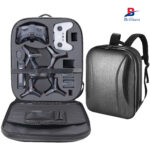
A drone kit needs a shaped cradle for the body plus flat space for spare parts. A precision instrument needs firm support at the corners and a soft touch on the housing. A grooming tool needs a surface that wipes clean. The outer shell can be identical in all three cases.
Give your supplier the product weight, the most fragile surface, the accessory list, and the direction of the drop you care about. Those four inputs shape the interior far more than a generic request for “shockproof foam.”
2. The Four Interior Options We Build Most Often
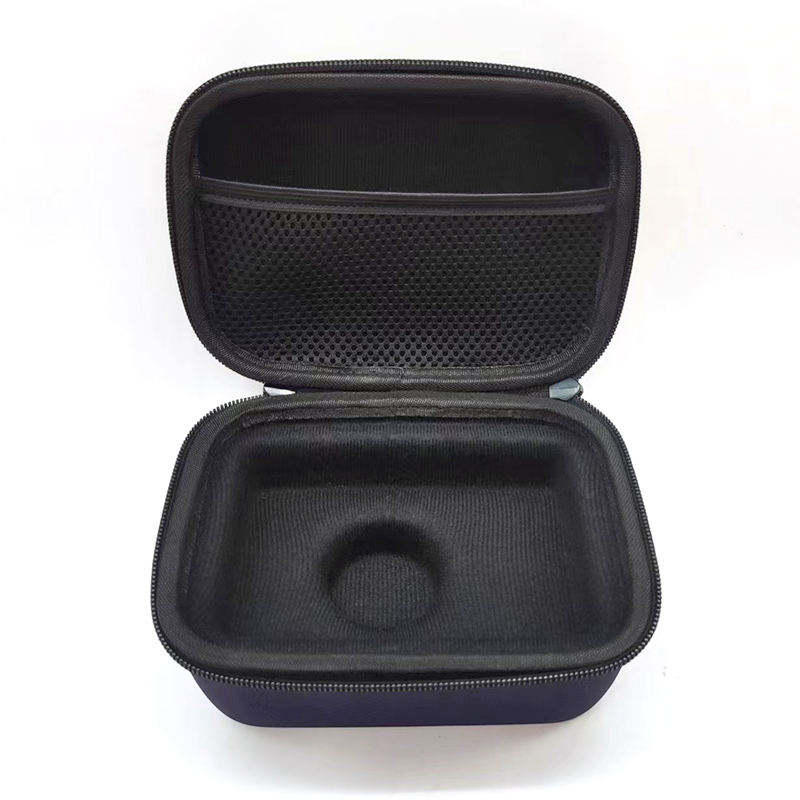
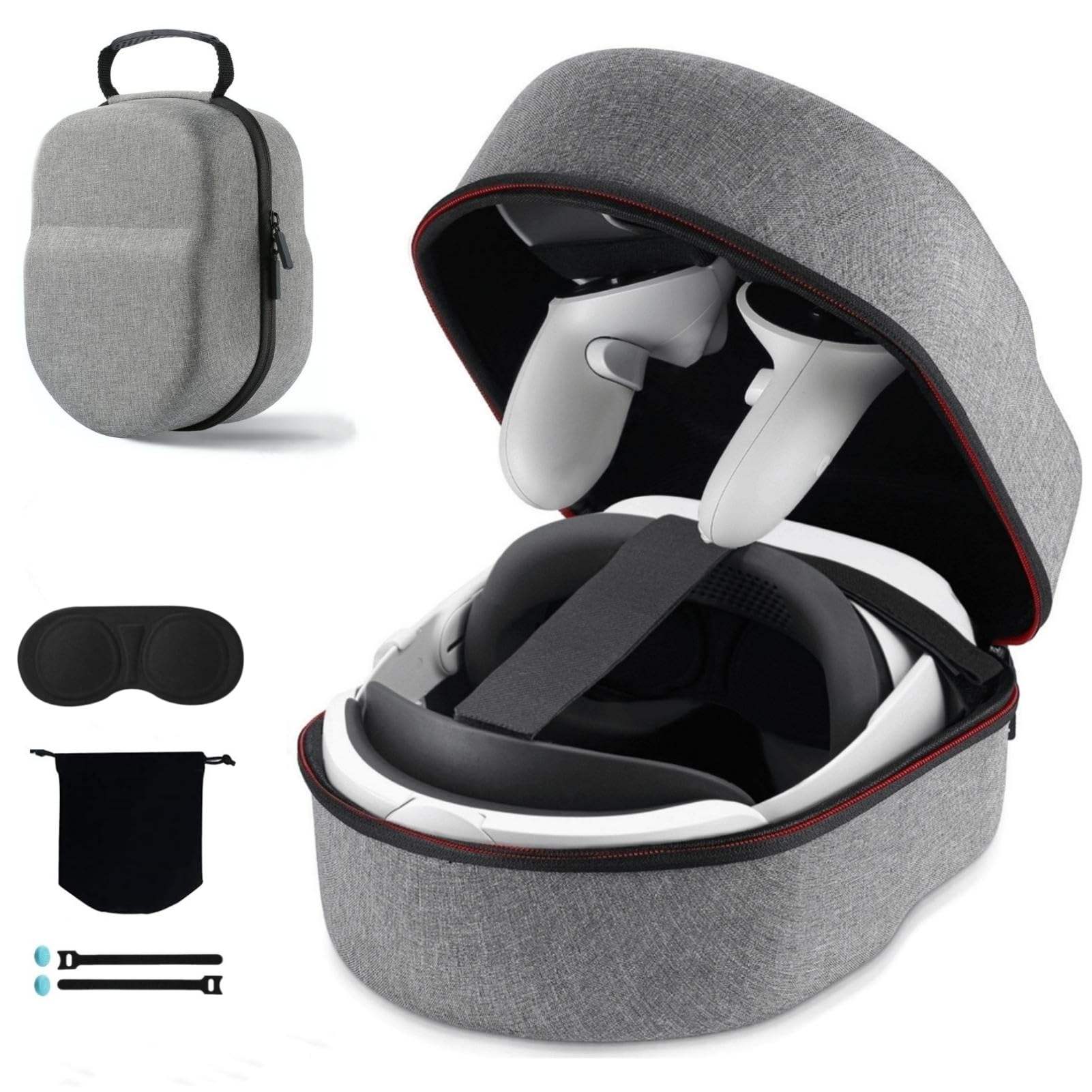
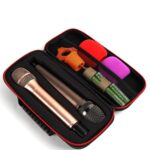
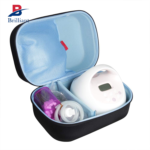
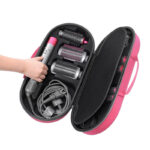
Molded EVA trays. The tray is pressed from the same family of material as the shell, with a cavity formed to the product outline. It gives stable support and keeps the interior looking tidy after repeated use. Many electronics brands choose this route when the case will be reused for years.
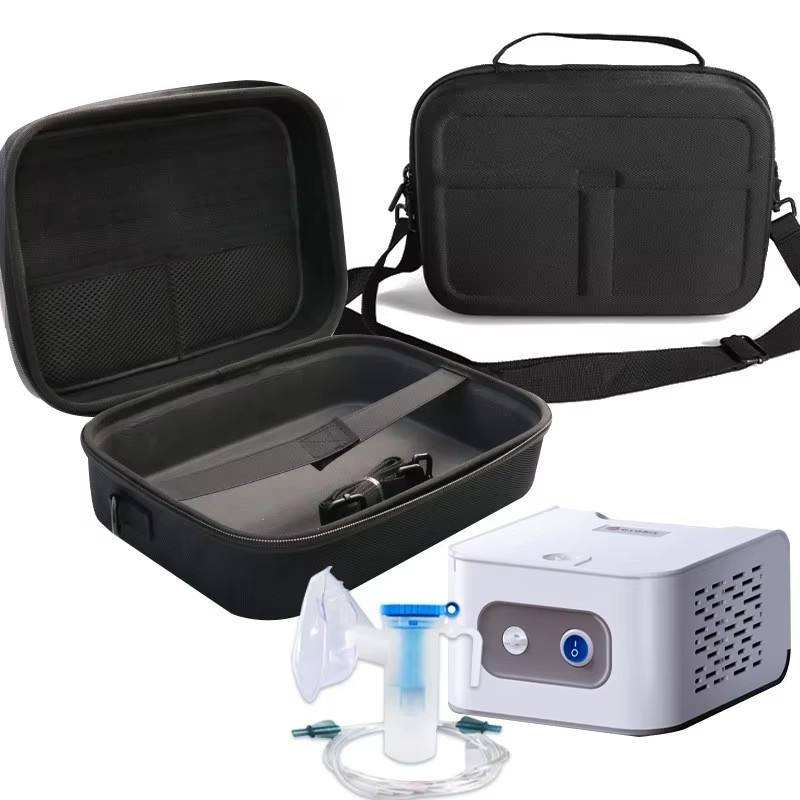
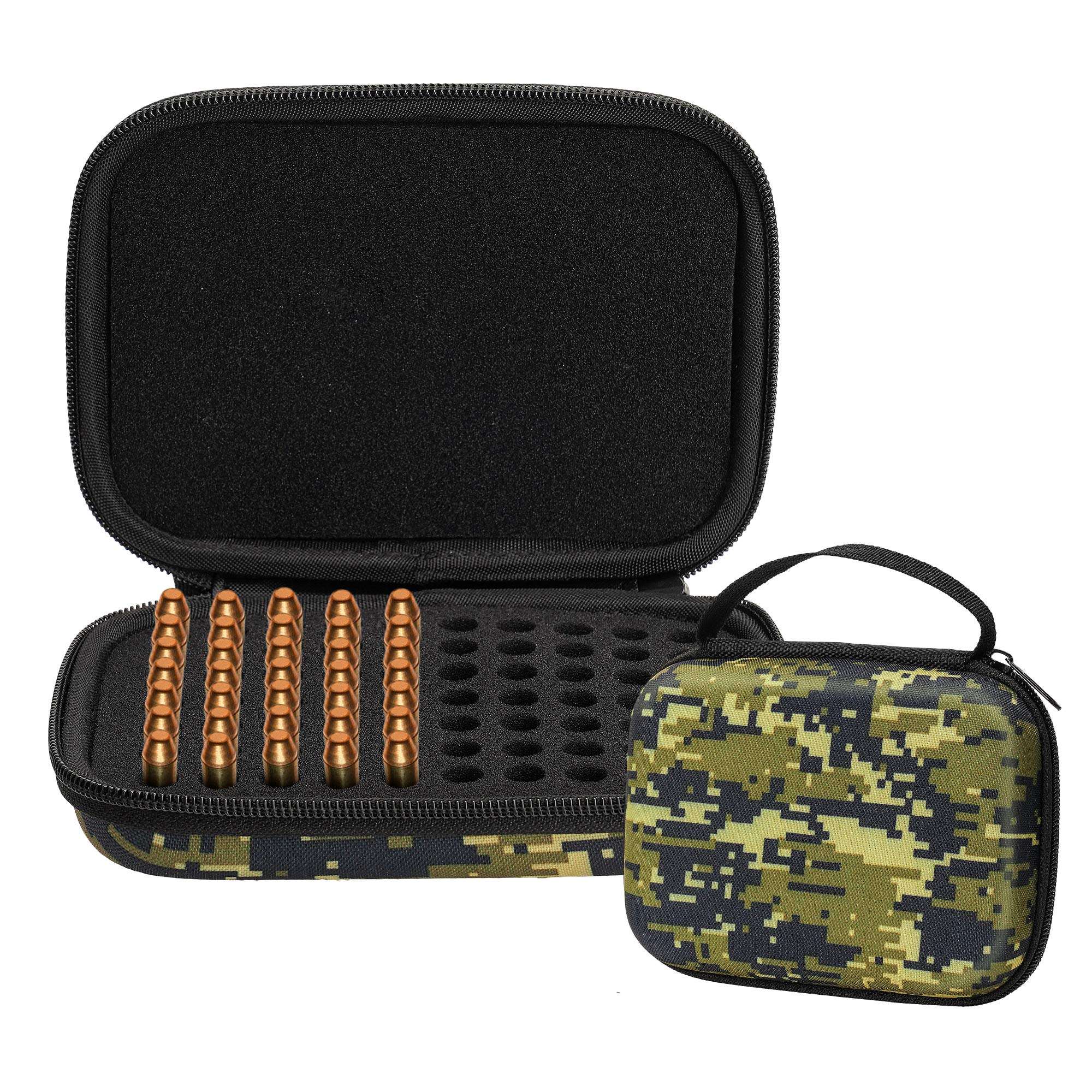
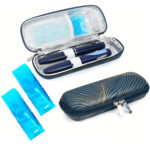
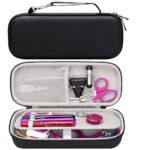
Die-cut foam inserts. A foam block is cut to the exact profile of the product and its accessories. This option works well for kits with many small parts, such as tools, meters, or battery sets. It also supports changes late in the project, because the foam can be revised while the shell tooling stays in place.
Flocked and velvet-style linings. A soft surface protects painted, polished, or glass parts from fine scratches. It also lifts the perceived value of the package at first open. Choose it for jewellery, watches, eyewear, and display kits, and pair it with a firm base so the product cannot sink into the pile.
Activated-carbon linings. A carbon layer helps control odour in cases that carry footwear, sports gear, or pet accessories. It adds a material step, so use it where the end user will notice the result.
Mesh pockets, elastic straps, and fabric dividers sit alongside these four options. They organise small items and reduce the noise of parts knocking together during transport.
3. Where the Cost Actually Sits
Interior cost is driven by tooling, material area, and assembly time. A molded tray needs a forming tool. A die-cut insert needs a cutting die. A flocked lining adds a bonding step before the shell is sewn.
The bigger number usually appears after launch. If the insert is approved too late, the factory may need to recut foam, rebuild a tray, or reopen a sample round while the packing line waits. A lower unit quote can disappear into that extra round.
Our standard schedule gives buyers a clear checkpoint. A sample is ready in 15 days. Bulk production takes 30 days. Custom orders start at 1,000 units, and private label orders start at 500. Locking the interior at the sample stage keeps both numbers intact.
Ask for the insert drawing with the case drawing. If a supplier cannot show the foam profile, the tray depth, and the pocket layout before tooling, the price you receive is still an estimate.
4. A Specification List Your Supplier Can Quote
Send these items with your next RFQ and the replies become comparable:
Product outline, weight, and the location of screens, lenses, or connectors. The full accessory list with dimensions. The preferred interior option and a second option for comparison. Surface finish requirements, including any wipe-clean or anti-odour need. Logo method and position. Target quantity for the first order and the expected annual volume. Required delivery date and destination market.
A short physical sample of the product helps as well. Our design team can measure the real item and propose the cavity layout before the drawing is finalised.
5. Why the Factory Setup Matters Here
Interior work crosses several processes. Material bonding, hot press forming, cutting, sewing, and incoming inspection all affect the final fit. When these steps sit in different workshops, the buyer becomes the project manager.
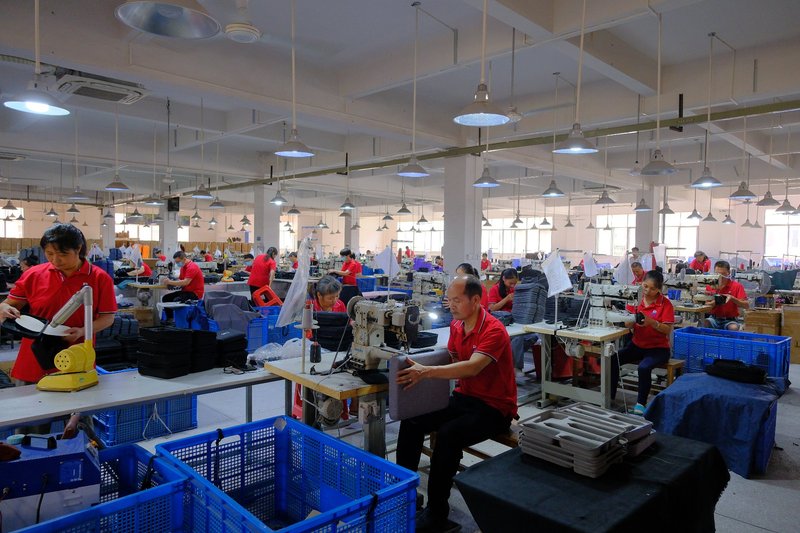
BE BRILLIANT runs these processes in house across two bases in Shenzhen and Jiangxi, with 12,000 square metres of plant space. Our team is led by an owner with 25 years in the EVA industry. The company was founded in 2018.
The factory holds ISO 9001 and ISO 14001 certifications, BSCI and Disney FAMA factory audits, CE documentation, and QC 080000. Disney FAMA is a factory certification. Twenty patents cover product designs developed by our team.
One sample round with us includes a review of the interior layout, the shell, and the closure together. That is the point where most fit problems become visible, and where they are cheapest to solve.
Next Step
If your case project is at the quotation stage, send us the drawing, the outside dimensions, the target quantity, and a short list of what goes inside. We will come back with an interior proposal and a sample plan built around your launch date.



 English
 Chinese
 German
 French
 Spanish